What is PCOS?
PCOS is the abbreviation for Polycystic Ovarian Syndrome. PCOS is a condition that changes the production of hormones in women. Normally, after menstruation, several egg follicles develop in the ovaries of women. Usually, only one of these follicles grows further and ovulates. In women who suffer from PCOS, multiple small follicles are formed in the ovary. Due to a disruption in the natural hormone balance, these follicles have difficulty growing and ovulating. These underdeveloped follicles are called cysts.
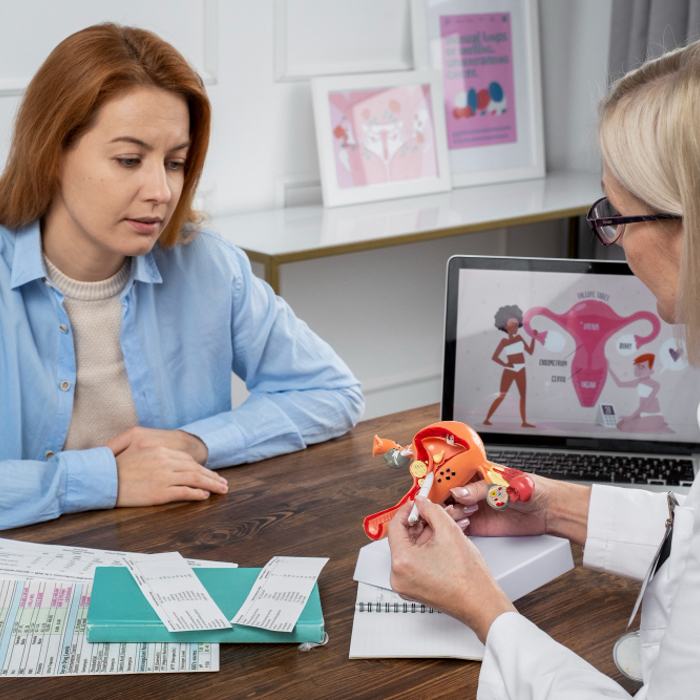
Because it is a syndrome (a group of symptoms that often occur together), PCOS symptoms vary greatly between women, but there are some common symptoms.
- Hyperandrogenism (excessive testosterone production) is one of the most common symptoms of PCOS. This form can even cause excessive hair growth and even male pattern baldness.
- Insulin resistance, the body’s reduced ability to respond to the insulin we produce, is another common symptom of PCOS. It is often associated with low blood sugar and increases the risk of obesity and other serious health problems.
- Chronic irregular ovulation is also typical and can cause irregular and painful periods. Another common feature is polycystic ovaries, the formation of cysts in the ovaries.
PCOS can be a very unpleasant condition that unfortunately has no cure, but symptoms can be managed through diet and exercise.
Complaints during PCOS?
Because PCOS is a syndrome, the symptoms differ per person. They differ per woman and per age. PCOS is therefore different for everyone. In the Netherlands, 5 to 7 out of 100 women suffer from PCOS. The most common symptoms are:
- Irregular or absent menstruation
- Extremely painful menstruation
- Gaining weight and being overweight
- Diabetes type 2
- Too many fats in the blood
- Less fertile
- Acne problems
- More hair
- Too many male hormones in the blood
Implications
Women with PCOS may have an increased risk of developing health problems later in life. These problems usually occur around or after menopause. They include:
- Diabetes mellitus type 2 (diabetes)
- High blood pressure
- An elevated cholesterol level
- Cardiovascular diseases
- An increased risk of cancer of the uterine lining (endometrial carcinoma) at a young age.
Many of these problems are associated with obesity and reduced insulin sensitivity. Early detection and treatment of these problems can reduce long-term consequences.

What can we do for you?
Women's Healthcare Center provides expert care and support for women. Our team of specialisten will do everything they can to help you get the right diagnosis and find the best treatment options.

