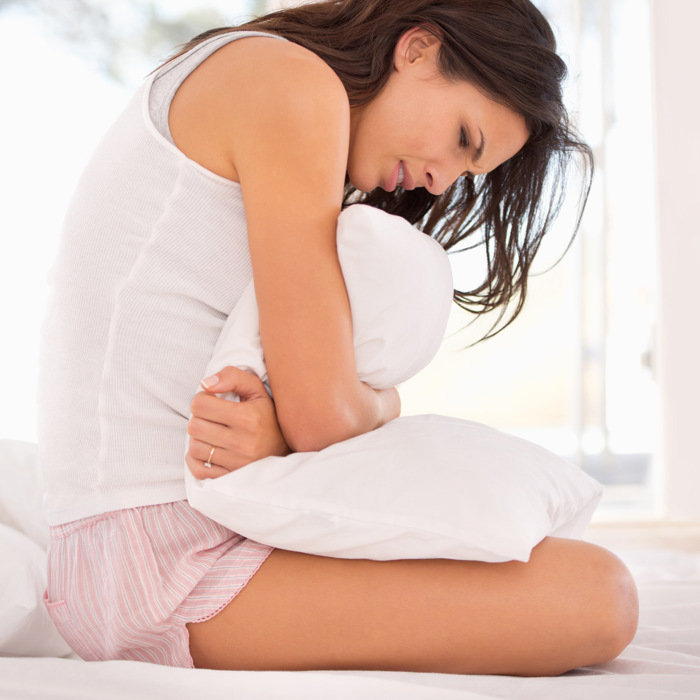
PMS is characterized by a mix of physical and psychological symptoms that can occur every two weeks before menstruation. If you regularly experience these symptoms, you may be among the 4% of women with PMS.
Causes of PMS
The exact cause of PMS is not yet fully understood. It is suspected that fluctuations in hormone levels during the menstrual cycle play a role, but this has not yet been proven.
Symptoms of PMS
PMS can cause various physical and psychological symptoms, including:
Physical complaints:
- Fluid moisture
- Bloated feeling
- Painful or tense breasts
- Back pain
- Severe headache or migraine
Psychological symptoms:
- Irritability
- Mood swings
- Feelings of tension
- Sleep disturbances
- Anxiety and depression
What can you do about PMS?
If you think you are suffering from PMS, we recommend making an appointment with one of our specialists. Resting, setting boundaries, and listening to your body are important steps. Additionally, it is wise to pay attention to your diet. Large fluctuations in blood sugar levels can worsen symptoms.
Eat regular small, light meals with complex carbohydrates and avoid large amounts of sugar and protein. Also limit your caffeine and alcohol intake. Extra calcium can help; generally, this has a beneficial effect on PMS symptoms. You can get extra calcium by consuming milk or drinking yogurt, for example.
Many women experience relief from PMS symptoms with antidepressants such as Prozac, Seroxat, or Zoloft, taken during the premenstrual phase (approximately two weeks before menstruation).
Make an appointment with one of our specialists
Would you like to make an appointment with one of our specialists? Contact us by phone or online; we are ready to assist you.